Buy atfort.eu ?
We are moving the project
atfort.eu .
Are you interested in purchasing the domain
atfort.eu ?
domain@kv-gmbh.de · 0541-91531010
Buy atfort.eu ?
What is the present (present tense), 1st past (simple past), 2nd past (present perfect), past perfect (pluperfect), and future (future tense)?
Present: I walk to school every day. 1st Past (Simple Past): Yesterday, I walked to school. 2nd Past (Present Perfect): I have walked to school many times. Past Perfect (Pluperfect): By the time I arrived, I had already walked to school. Future: Tomorrow, I will walk to school again. **
What is the present (present tense), 1st past (preterite), 2nd past (perfect), past perfect (pluperfect), and future (future)?
The present tense describes actions happening now or regularly. The 1st past, or preterite, describes actions that happened at a specific point in the past. The 2nd past, or perfect, describes actions that were completed in the past. The past perfect, or pluperfect, describes actions that were completed before another past action. The future tense describes actions that will happen in the future. **


Similar search terms for 1st Past Yesterday
Top-Angebote
Products related to 1st Past Yesterday:


-
Could I not have gone to the concert yesterday? (Past subjunctive)
To form the past subjunctive in English, we typically use "could have" followed by the past participle of the main verb. Therefore, the sentence "Could I not have gone to the concert yesterday?" is a correct usage of the past subjunctive. This construction is used to express doubt or uncertainty about a past action, suggesting that it was possible for the speaker to have gone to the concert but they did not. **
-
Could I have not gone to the concert yesterday? (Past Subjunctive)
Yes, you could have not gone to the concert yesterday. If you had chosen not to attend, the outcome would have been different. The past subjunctive is used to express hypothetical or unreal situations, so in this case, it is possible to consider the alternative scenario where you did not go to the concert. **
-
Would I have been able to go to the concert yesterday? (past subjunctive)
If I had known about the concert yesterday, I would have been able to go. **
-
What did I experience yesterday that shocked me? I walked past an alley yesterday and a group of underage girls was walking towards me.
I was shocked to see that they were smoking and using vulgar language. It was alarming to witness such behavior from young girls. It made me realize the influence of peer pressure and the importance of positive role models for young people. It was a jarring reminder of the challenges that young people face and the need for support and guidance in their lives. **

What did I experience yesterday that shocked me? I walked past an alley yesterday and saw a group of underage girls walking towards me.
Yesterday, I experienced a shocking moment when I walked past an alley and saw a group of underage girls walking towards me. It was surprising and concerning to see young girls in such a place, and I couldn't help but wonder what they were doing there. The sight made me reflect on the vulnerability of young people and the importance of ensuring their safety and well-being. **
What is the difference between the Arduino Uno and the 1st Shield?
The Arduino Uno is a microcontroller board that is used for building digital devices and interactive objects. It is the main board that runs the code and controls the hardware components. On the other hand, the 1st Shield is an expansion board that can be attached to the Arduino Uno to add additional functionality, such as wireless communication, motor control, or sensor inputs. The 1st Shield acts as an interface between the Arduino Uno and external hardware components, allowing for greater versatility and customization in projects. **
Top-Angebote
Products related to 1st Past Yesterday:
-
Safety 1st Summit Quad Wagon StrollerThe Summit Quad Wagon Stroller is designed for more kids, more cargo, and more fun for the whole crew. Parents will love the versatile seating design: all 4 seats fold down individually to make room for gear or fold up to seat up to 4 kids at once.349,99 $*Shipping: 0,00 $Secure redirect to the provider
-
Safety 1st Easy Install Metal GateSecureTech®, Safety 1st's red-to-green indicator on the top rail allows you to see when your gate is securely locked Pressure-installed gate is quick to set up and easy to take down when not in use One-hand dual-action open Fits most doorways and...66,49 $*Shipping: 0,00 $Secure redirect to the provider
-
What is the present (present tense), 1st past (simple past), 2nd past (present perfect), past perfect (pluperfect), and future (future tense)?
Present: I walk to school every day. 1st Past (Simple Past): Yesterday, I walked to school. 2nd Past (Present Perfect): I have walked to school many times. Past Perfect (Pluperfect): By the time I arrived, I had already walked to school. Future: Tomorrow, I will walk to school again. **
-
What is the present (present tense), 1st past (preterite), 2nd past (perfect), past perfect (pluperfect), and future (future)?
The present tense describes actions happening now or regularly. The 1st past, or preterite, describes actions that happened at a specific point in the past. The 2nd past, or perfect, describes actions that were completed in the past. The past perfect, or pluperfect, describes actions that were completed before another past action. The future tense describes actions that will happen in the future. **
-
Could I not have gone to the concert yesterday? (Past subjunctive)
To form the past subjunctive in English, we typically use "could have" followed by the past participle of the main verb. Therefore, the sentence "Could I not have gone to the concert yesterday?" is a correct usage of the past subjunctive. This construction is used to express doubt or uncertainty about a past action, suggesting that it was possible for the speaker to have gone to the concert but they did not. **
-
Could I have not gone to the concert yesterday? (Past Subjunctive)
Yes, you could have not gone to the concert yesterday. If you had chosen not to attend, the outcome would have been different. The past subjunctive is used to express hypothetical or unreal situations, so in this case, it is possible to consider the alternative scenario where you did not go to the concert. **
Similar search terms for 1st Past Yesterday
-
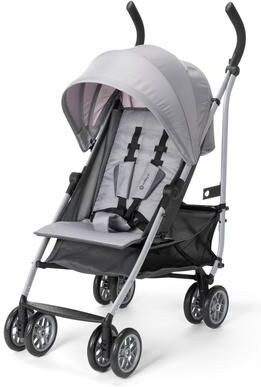
Safety 1st Easy-Fold Compact Stroller - DorsalThe Safety 1st Strollerette Compact Stroller lightens up every stroll with its compact size and ample storage space. With its plush foam handles and lightweight aluminum frame (at under 16.5 lbs119,99 $*Shipping: 0,00 $Secure redirect to the provider
-
Would I have been able to go to the concert yesterday? (past subjunctive)
If I had known about the concert yesterday, I would have been able to go. **
-
What did I experience yesterday that shocked me? I walked past an alley yesterday and a group of underage girls was walking towards me.
I was shocked to see that they were smoking and using vulgar language. It was alarming to witness such behavior from young girls. It made me realize the influence of peer pressure and the importance of positive role models for young people. It was a jarring reminder of the challenges that young people face and the need for support and guidance in their lives. **
-
What did I experience yesterday that shocked me? I walked past an alley yesterday and saw a group of underage girls walking towards me.
Yesterday, I experienced a shocking moment when I walked past an alley and saw a group of underage girls walking towards me. It was surprising and concerning to see young girls in such a place, and I couldn't help but wonder what they were doing there. The sight made me reflect on the vulnerability of young people and the importance of ensuring their safety and well-being. **
-
What is the difference between the Arduino Uno and the 1st Shield?
The Arduino Uno is a microcontroller board that is used for building digital devices and interactive objects. It is the main board that runs the code and controls the hardware components. On the other hand, the 1st Shield is an expansion board that can be attached to the Arduino Uno to add additional functionality, such as wireless communication, motor control, or sensor inputs. The 1st Shield acts as an interface between the Arduino Uno and external hardware components, allowing for greater versatility and customization in projects. **
* All prices are inclusive of VAT and, if applicable, plus shipping costs. The offer information is based on the details provided by the respective shop and is updated through automated processes. Real-time updates do not occur, so deviations can occur in individual cases. ** Note: Parts of this content were created by AI.